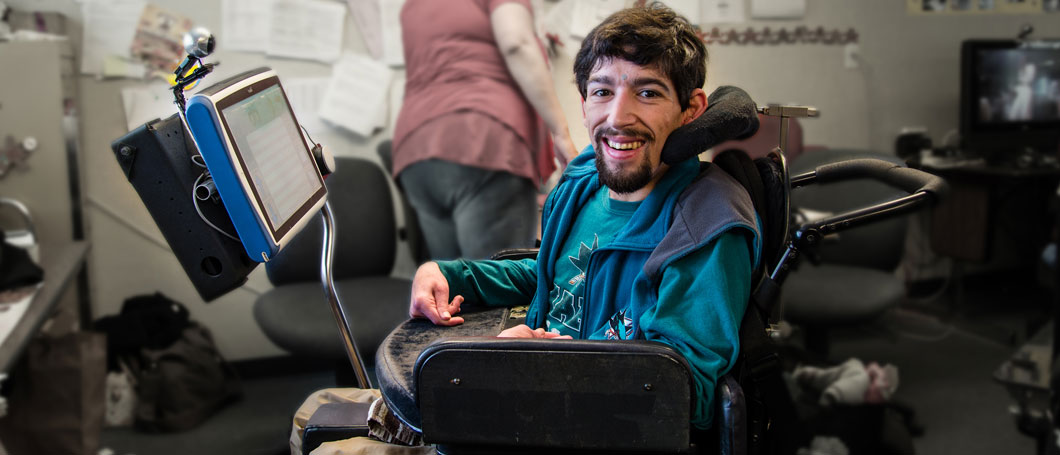
 First-person trust, also known as a self-settled special needs trust or a Medicaid payback trust, is a legal tool that can benefit individuals with disabilities by sheltering their assets from government benefits. This type of trust is established by the individual with a disability and funded with their own assets, which are then managed by a trustee. The trustee is responsible for administering the trust according to its terms and using the funds to supplement the individual’s government benefits without affecting their eligibility.
Benefits
One of the main benefits of a first-person trust is that it can shelter assets from government benefits. This is important because many government benefits, such as Medicaid and Supplemental Security Income (SSI), have strict asset limits that can disqualify individuals with disabilities from receiving these benefits if they have too much money or assets. By placing their assets in a first-person trust, individuals with disabilities can still receive government benefits while also having access to additional funds to pay for things that their benefits may not cover, such as housing, transportation, and other expenses related to their disability.
Another benefit of a first-person trust is that it can be used to protect assets from creditors, including healthcare providers and nursing homes. This is because the assets in the trust are not considered the property of the individual with a disability, but rather the property of the trust. This means that creditors cannot go after these assets to satisfy debts owed by the individual with a disability.
Are You Eligible?
In order to qualify for a first-person trust, individuals with disabilities must meet certain eligibility requirements. Specifically, they must have a disability that meets the criteria set forth by the Social Security Administration (SSA) and they must be under the age of 65. Additionally, the trust must be established for the sole benefit of the individual with a disability and it must contain certain provisions that ensure that the funds in the trust are used in accordance with the rules governing government benefits.
Important Provision of First Person Trust
One important provision that must be included in a first-person trust is a Medicaid payback provision. This provision requires that any funds remaining in the trust at the time of the individual’s death be used to repay Medicaid for any benefits that were paid on their behalf. This provision ensures that the government is reimbursed for the cost of the individual’s care and that any remaining funds are distributed to the person’s estate.
Difference Between a First Person Trust and a Third Person Trust
A first-person special needs trust and a third-person special needs trust differ in their ownership and funding sources. A first-person special needs trust is funded with the disabled person’s own assets, such as a personal injury settlement or an inheritance. This type of trust is also known as a self-settled or first-party trust. In contrast, a third-person special needs trust is established and funded by someone other than the disabled person, such as a parent, grandparent, or other family member. This type of trust is also called a third-party trust. The main advantage of a third-person special needs trust is that it allows family members or friends to contribute to the trust without affecting the disabled person’s eligibility for government benefits. In both types of trusts, the funds are managed by a trustee who has the discretion to make distributions to the disabled person for their supplemental needs without jeopardizing their eligibility for government benefits.
Get your First Person Trust Now
To get a first-person trust, individuals with disabilities can turn to specialneedstrustsonline.com. This website offers a range of services related to special needs trusts, including information about the different types of trusts available, guidance on how to set up a trust, and access to legal professionals who can help with the process. By working with specialneedstrustsonline.com, individuals with disabilities can ensure that their first-person trust is set up correctly and in accordance with all applicable laws and regulations. Start filling out the questionnaire below and get your First-person-trust today!
Special Needs Trusts Online Can Help!
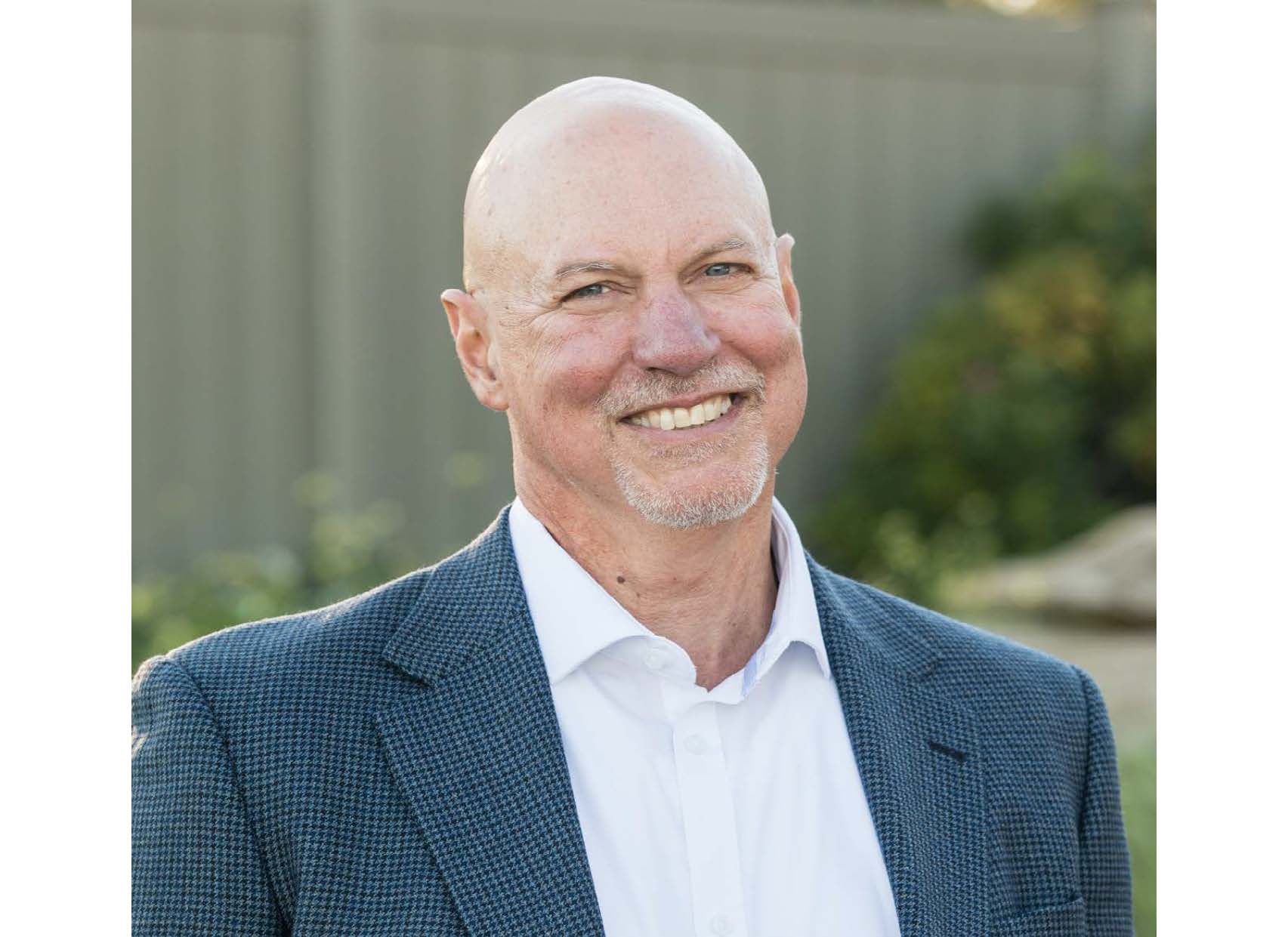 I am a Special Needs Trust Attorney and I am here to help. I am the founder of a nonprofit corporation to that provides quality information about resources available to families as well as providing affordable Special Needs Trusts and estate planning for families. I have over 20 years of experience helping families just like yours. Find out more information at SpecialNeedsTrustsOnline.com, click here to set up a free appointment, or begin answering the questions below and get your first-person-trust emailed to you as a pdf in one minute.
Source: specialneedstrustsonline.com